All Categories
Featured

Why Your Commercial Property Need Modern Illumination ?
Table of Contents
When creating park lighting, it is crucial to think about aspects such as safety, presence, visual appeals, and sustainability. Lighting for parks ought to create a welcoming atmosphere while guaranteeing the security and security of visitors. Efficient lighting strategies represent different activity zones, such as strolling courses, play grounds, and sports centers, and offer suitable illumination levels and color temperature levels to boost the total experience.
When the sun sets, does your industrial home vanish into a dark border of parking area, walkways, and blank exteriors, or does it keep working for you? Strategic website lighting is one of the clearest after-hours upgrades a residential or commercial property supervisor can make because it impacts security, renter understanding, curb appeal, and upkeep at the very same time.
They light area, however they frequently create glare, flatten architecture, and waste energy. A stronger technique is layered, site-specific lighting that helps visitors move confidently, frames essential features, and supports your brand name after dark. For business websites, that likewise indicates believing beyond appearances. You need components that hold up, circuits that won't be overloaded, and controls that match real operating hours.
Old Vs. 2026 Outdoor Designs
These 10 outside lighting design concepts concentrate on that real-world balance. Every one works best when it fixes a business issue, not just a visual one. Uplighting is among the fastest ways to make a commercial structure feel established and intentional after dark. A narrow or medium-beam component mounted low in the planting bed can turn plain columns, entry walls, and canopy supports into visual anchors.
The compromise is glare. Inadequately aimed uplights can shine directly into drivers' eyes or throw hot areas onto glass. On high-traffic homes, I 'd rather use more modest components with tighter optics than a couple of excessively intense components attempting to do all the work. Usage warm white LEDs on stone, brick, and textured precast.
For trees near an entry plaza, stagger component placement so the trunk and lower canopy checked out naturally instead of looking like a phase set. A couple of combinations work well in practice: Location components at consistent intervals to reinforce the architecture. Uplight a couple of fully grown specimen trees near the primary sign or entryway.
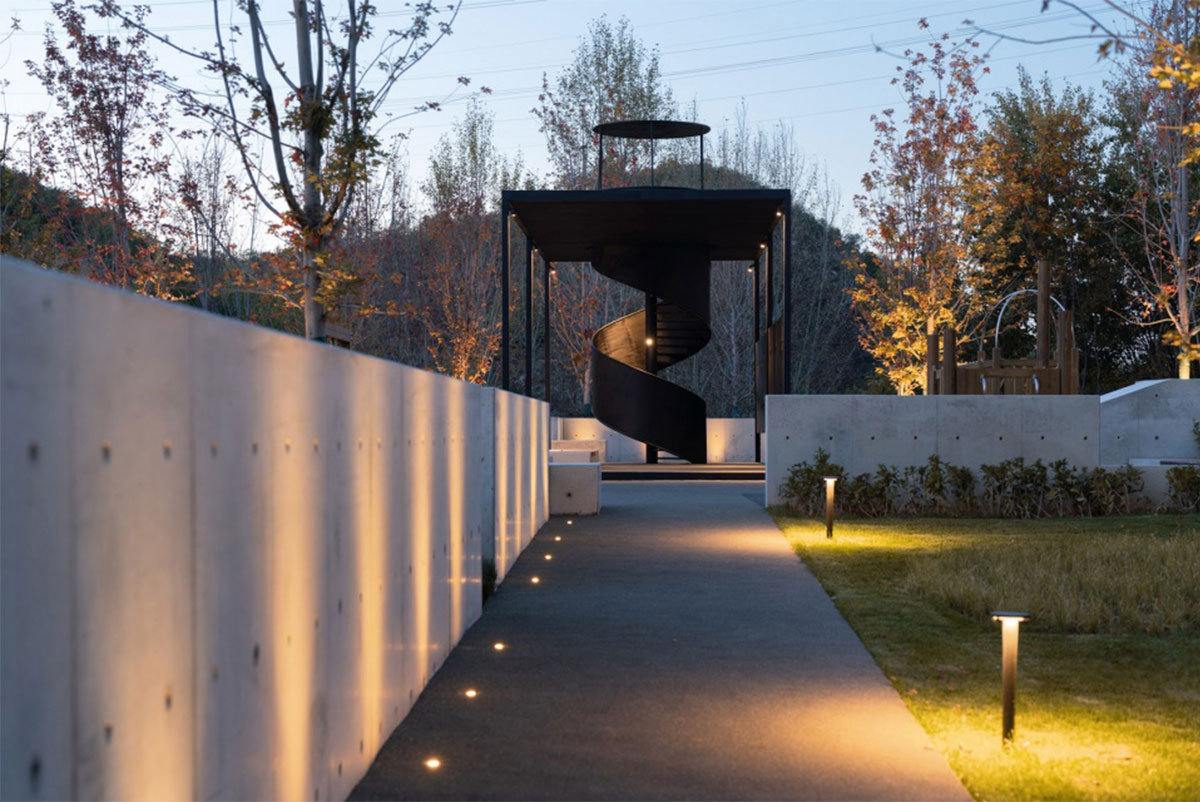
Uplight the features that support identity. Don't attempt to illuminate every vertical surface on the property.
Modern Hardscape Construction Techniques
This is the layer that gets individuals from parking to entry, from entry to side yard, and from public pathways to building limits without doubt. If a property manager asks where to spend initially, this is generally the answer. Industrial websites need consistency more than drama here. Course lights, bollards, and low post components need to develop an understandable path, specifically at parking transitions, ADA paths, and stair approaches.
They absolutely see when it's missing. For pathway lighting, the validated standards call for an uniformity ratio of 0.4 or greater to decrease dark spots. That's a beneficial design target for retail boardwalks, health care campuses, and HOA common areas where a single dim spot can make the rest of the path feel less safe and secure.
The fixtures themselves ought to fit the residential or commercial property type: Finest for broad pedestrian passages, plaza edges, and parking transitions. Much better in planted sidewalks where you desire lower visual mess. Useful where pedestrians and automobiles share space and visibility matters. What doesn't work is treating every sidewalk the very same. A hotel drop-off, an office campus adapter, and a retail sidewalk all have different nighttime behavior.
Moonlighting is among the most refined methods you can use on an industrial home. Instead of pressing light upward from grade, fixtures are mounted higher in mature trees and intended down through branches to create soft, broken light on paving and yard. The result is quieter than bollards and less theatrical than aggressive accent lighting.
It offers the website light where people need it, but it doesn't shriek "security fixture." That difference matters when you want a home to feel calm and premium. Moonlighting is just worth doing when the tree structure supports it. Large-canopy trees with steady branching provide you the filtering effect that makes the method feel natural.
Commercial Erosion ControlDoes Your Business Park Require Modern Illumination ?
A couple of practical observations matter: Low-mounted "moonlights" often check out like obvious downlights. The objective is texture on the ground aircraft. Tree-mounted fixtures require a service plan from day one. Moonlighting works best where people linger. It's less about announcing a route and more about forming a state of mind individuals trust. For a medical workplace courtyard or senior living school, that's frequently the best response.

Latest Posts
Efficient Outdoor Lighting Design for Office Parks
Next-Gen Industrial Grounds Redesign Innovations

Green Architecture Standards in the US