All Categories
Featured
Improving Accessibility Through Commercial Seasonal Color...
Modernizing Security via Commercial Native Plant Installa...
Effective Site Erosion Control Solutions for Modern Lands...
Elevating First Impressions: The 2026 Approach
Table of Contents
Modern Commercial Grounds and the Shift in Urban Centers
Commercial exterior spaces in metropolitan areas are undergoing a significant shift in 2026. The focus has moved away from high-maintenance natural vegetation toward resilient alternatives. Businesses in the United States are increasingly choosing synthetic options to maintain visual consistency while reducing operational overhead. This transition reflects a growing interest in practical design that handles the demands of modern urban environments. Property owners face a specific set of challenges this year. Between escalating water costs and the need for consistent curb appeal, the traditional grass lawn is becoming a financial liability for many firms.
Cost management remains a primary driver for these renovations. Maintaining natural sod in a commercial setting involves constant expense. Between specialized crews, irrigation system repairs, and the rising price of water, the monthly bills add up quickly. By 2026, many property managers in the local region have calculated that the return on investment for synthetic turf happens faster than previously expected. Property managers are finding value in Pacific Green Landscape Maintenance Services when planning their next major exterior update.
Performance Metrics for Professional Site Design
The technology behind synthetic fibers has reached a peak in 2026. In earlier years, artificial grass often looked like plastic carpet. Now, the varied blade heights and multi-tone green hues make it difficult to distinguish from the real thing from a distance. Building owners who prioritize high-quality materials often find that the aesthetic improvement attracts higher-quality tenants and increases overall property value. Durability is where these surfaces excel. A traditional lawn in a high-traffic area, such as a restaurant patio or a hotel courtyard, will develop brown patches and bare dirt within weeks of heavy use.
Synthetic turf designed for 2026 standards is built with polymers that resist UV degradation and mechanical wear. This makes it a preferred choice for sites that host events, daily foot traffic, or pet-friendly amenities. Pacific Green Landscape Maintenance Landscape Maintenance Clips has become a staple for developers working on new office complexes in regional hubs. These professionals realize that green space is essential for employee satisfaction, but they cannot justify the water usage required for traditional grass. The ability to place green areas on rooftops or inside shaded courtyards where natural grass would fail provides designers with more flexibility than they had in the past.
Technical Advancements in Synthetic Fibers
Several technical factors contribute to the success of synthetic surfaces in commercial applications this year:
- Blade Resiliency: New fiber shapes like the "W" or "C" design help the grass stand upright even after heavy compression.
- Thermal Regulation: Cooling technology integrated into the blades helps dissipate heat, keeping the surface comfortable during summer in the local area.
- Antimicrobial Infill: Modern infill options prevent the growth of bacteria and neutralize odors, which is essential for pet-friendly commercial spaces.
- Fire Safety: Most commercial-grade products in 2026 meet Class A fire ratings, making them suitable for indoor use and rooftop installations.
Creative Applications in Modern Commercial Renovation
Design innovation in 2026 focuses on blending textures to create sophisticated outdoor environments. Designers are mixing artificial grass with concrete pavers, wood decking, and native stone. This creates a geometric aesthetic that defines space without requiring a dedicated gardener. In retail centers across the target market, these mixed-material designs are used to create "activity zones" where shoppers can rest. These areas often include built-in seating and lighting, turning a simple patch of green into a functional part of the business plan.
Drainage is a technical aspect that is critical for commercial success in 2026. Modern systems feature perforated backings that allow thousands of gallons of water to pass through every hour. This prevents pooling and allows the surface to dry quickly after rain or routine cleaning. For properties in coastal areas, where occasional heavy storms can cause issues, this drainage capacity is a significant benefit. It ensures that the space is usable almost immediately after the weather clears, which is vital for restaurants and event venues that rely on outdoor seating.
Environmental and Economic Impact in 2026
Decision makers looking for Pacific Green Landscape Maintenance for Sustainable Sites are also considering the environmental impact of their choices. While the product is synthetic, it eliminates the need for chemical fertilizers and pesticides that can run off into local water systems. Furthermore, the massive reduction in water consumption aligns with the conservation goals established by many municipalities in the region. Many cities now offer rebates for businesses that replace natural turf with permeable synthetic surfaces, further improving the financial outlook for these projects.
Installation techniques have become more sophisticated by 2026. It is no longer about just laying a roll of grass over dirt. Professionals now use multi-layered base systems composed of crushed rock and stabilizing fabrics. This prevents the shifting and rippling that often plagued older installations. The edge details, often finished with metal or composite benders, ensure a clean look that integrates with other architectural features like walkways and flower beds. This level of precision is what separates a DIY project from a professional commercial installation.
Maintenance and Long-Term Care
Maintenance for these spaces is remarkably simple in 2026. Instead of a weekly visit from a large crew with loud, gas-powered mowers, the turf only requires occasional brushing and rinsing. This reduces noise pollution around office buildings and keeps the air cleaner for employees and visitors. For property owners, this means less logistical coordination and fewer interruptions for their tenants. A well-maintained synthetic lawn can last upwards of fifteen years even in high-traffic environments, providing a level of predictability that natural grass cannot match.
In 2026, the aesthetic versatility of synthetic turf also allows for branding opportunities. Some companies are incorporating logos or specific color patterns directly into the turf fibers. This level of customization was difficult with natural vegetation but is now a standard option for commercial renovations. It allows a business to extend its visual identity into its exterior grounds, creating a cohesive experience from the moment a client pulls into the parking lot.
The shift toward these materials represents a practical response to the environmental and economic realities of 2026. As the local area continues to grow, the pressure on natural resources increases. Choosing durable, well-designed synthetic surfaces is a way for the commercial sector to adapt. The combination of longevity, visual appeal, and low maintenance makes it a sensible choice for any professional property renovation. By modernizing these exterior spaces, businesses ensure they remain competitive and attractive in an increasingly crowded market.

Table of Contents
Latest Posts
Coordinating Large Scale Hardscape Renovation Projects
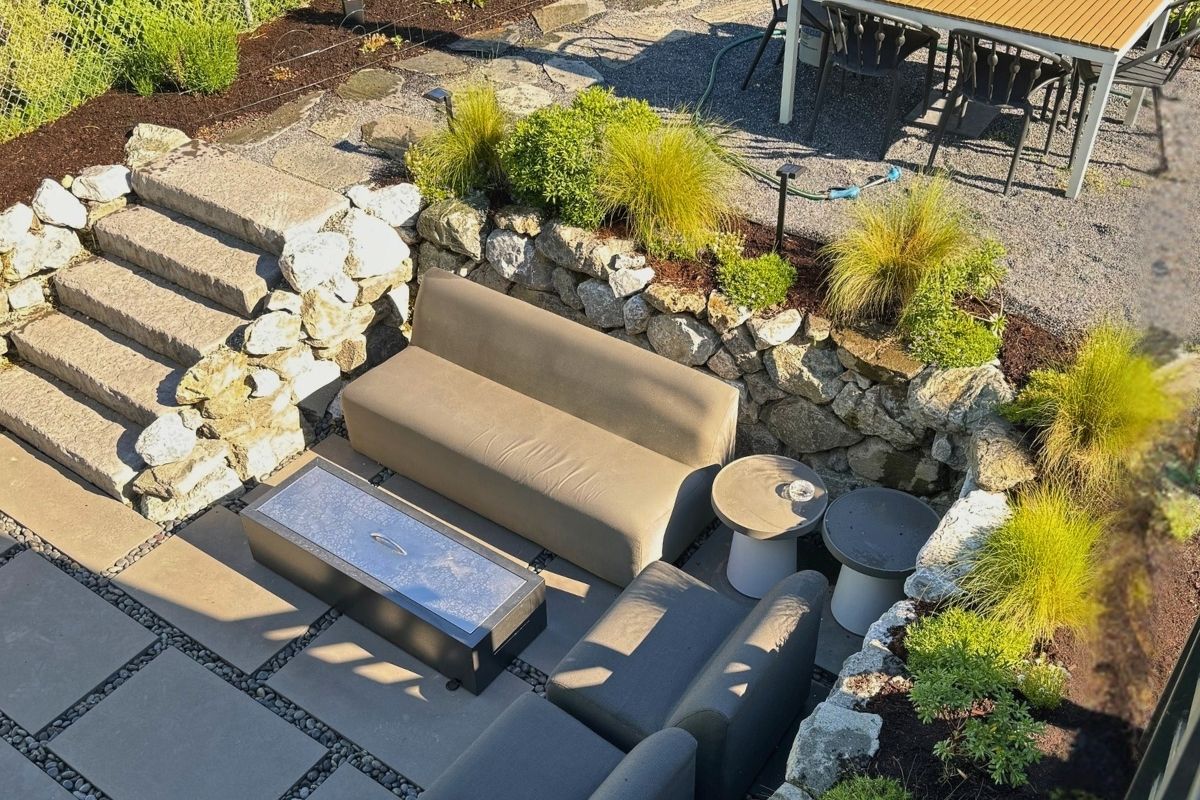
Improving Accessibility Through Commercial Seasonal Color Programs And Flower Rotations
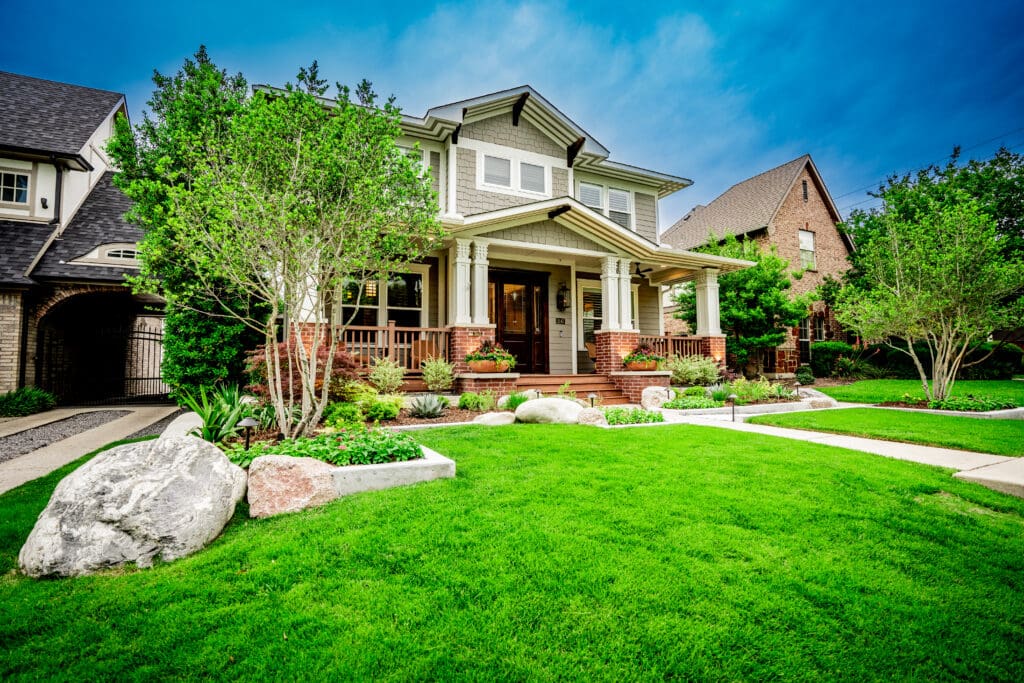
Modernizing Security via Commercial Native Plant Installations In Southern California
Latest Posts
Coordinating Large Scale Hardscape Renovation Projects
Improving Accessibility Through Commercial Seasonal Color Programs And Flower Rotations
Modernizing Security via Commercial Native Plant Installations In Southern California