All Categories
Featured
Creating Sustainable Commercial Landscapes With Native Flora
Table of Contents
Walkways, steps, and seating areas develop clear paths through the yard and offer places to stop briefly and gather, assisting planting feel cohesive with the surrounding design. Unilock offers pavers that capture the character of natural stone, consisting of Beacon Hill Flagstone, Richcliff, and Bristol Valley, which can match planting locations while preserving sturdiness and long-term performance.
When planting and hardscape interact, outdoor locations feel natural without sacrificing use, making them simpler to enjoy and keep over time. Warmer color schemes are becoming more typical across 2026 patio patterns, marking a shift far from cooler grays toward tones motivated by natural stone, clay, and weathered products.
When texture and color work together, outside spaces gain depth without feeling aesthetically heavy. Lots of Unilock paver alternatives support this method through mixed colors and surface textures that reference natural products, which assist patios and sidewalks feel softer rather than crisp or flat.
Flexibility has actually ended up being a typical style across lots of backyard trends, as homeowners try to find outside settings that work for more than one function. Rather of devoting the backyard to a single usage, they are being planned with zones that can shift in between seating, dining, play, or amusing as required. More and more homeowners are integrating seat walls in their outdoor living styles.
Innovative Landscape Renovation Concepts to Follow for 2026
These vertical aspects can also be a carrier for lighting, either on top of pillars or undermounted beneath the coping along the wall. Unilock walls use a broad variety of styles, textures, and colors that collaborate perfectly with Unilock pavers. This multi-purpose, flexible technique depends on designs that prioritize circulation rather than stiff separation.
Utilizing complementary paving styles and patterns permits zones to shift in purpose without interrupting the general design. Multi-purpose zoning helps a yard respond to how it's really utilized, from quiet moments to events, without needing to be rethought each time routines shift. Technology-ready outside areas reflect a useful shift in how house owners use their backyards.
Resilient products, streamlined layouts, and thoughtful surface area selection assistance minimize continuous work while keeping outside spaces functional year after year. Throughout numerous outdoor living trends, this approach enables house owners to spend more time enjoying their backyards rather of preserving them.
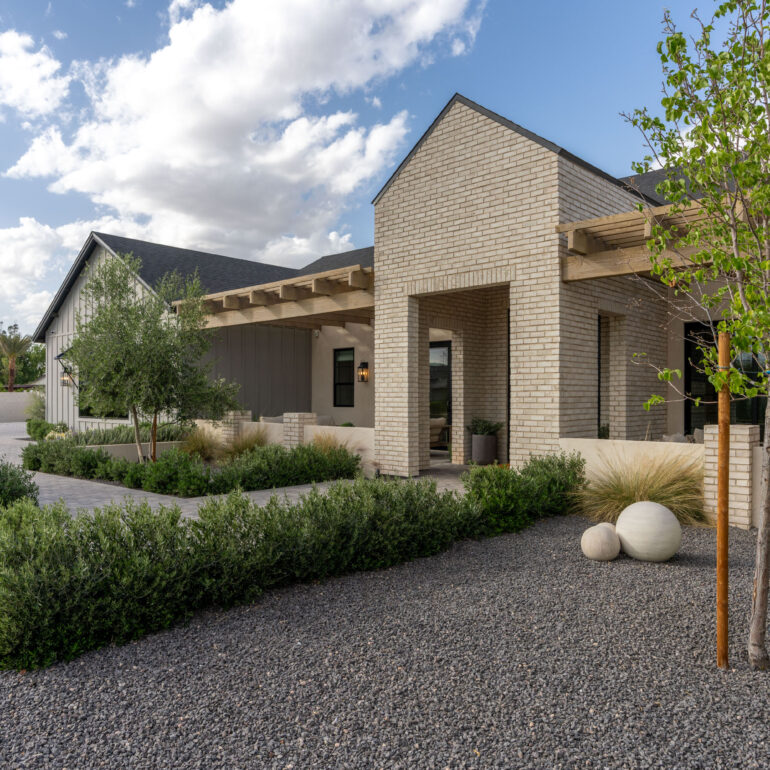
Unilock items offer a foundation designed to remain gorgeous and functional for years, not simply throughout a single pattern cycle. Bringing these ideas into an ended up outdoor environment needs a contractor who comprehends how products, layout, and setup interact. Unilock Authorized Contractors meet the high standards for workmanship, installation practices, and product understanding set by Unilock, assisting make sure outside areas are built with long-term efficiency in mind.
Here at Unilock, we're committed to assisting make your outside task a success. Reach out to us directly, or search our Unilock Brochure of Dreams for additional inspiration and a curated guide to the latest possibilities in outside design.
Enhancing Company Image With Modern Landscape Design
Landscape style patterns in 2026 lean towards balancing year-round visual appeal, sustainability, and performance. The majority of landscapes stop working due to the fact that they're created for one minute and one purpose.
The distinction comes down to plant choice and technique. When you integrate seasonal color, native efficiency, and functional planting, you do not just get a better looking home. You get one that works year-round. Early spring is where most landscapes separate themselves due to the fact that most homes still look dormant well into April.
In Chicagoland, where winter seasons drag and spring takes its time, having plants that emerge early offers your residential or commercial property an obvious edge. Not grown for flowers, but for its striking red stems that stand out through late winter season into early spring.
Innovative Outdoor Lighting Design for Business Parks
Native species are naturally adjusted to the Midwest's soil, rains, and temperature level swings. They need less water, fertilizer, and total maintenance. Native plants likewise support regional pollinators, enhance soil health, and produce more resistant landscapes that can manage everything from summer heat to harsh winter seasons. For business and property homes alike, native planting is one of the most efficient ways to construct a sustainable landscape that looks excellent and works even much better over time.
Very drought-tolerant and low maintenance, it includes motion and structure to any landscape. Purple Coneflower (Echinacea) One of the most recognizable native perennials, including bold purple-pink flowers throughout summer. It's extremely durable, brings in pollinators, and flourishes in tough conditions with minimal care. Wild Bergamot (Bee Balm) A pollinator favorite with distinct lavender-pink blooms and a light, organic fragrance.
Prairie Dropseed A fine-textured native yard understood for its soft, fountain-like shape and subtle fragrance when in flower. It provides tidy structure throughout the season and outstanding golden color in the fall. Serviceberry (Tree) A flexible native tree offering multi-season interest with white flowers in early spring, edible berries in summertime, and strong fall color.
To set expectations properly, it requires to be said that plants alone will not get rid of mosquitoes. However they do assist reduce activity, particularly when used properly. Use these plants in clusters near seating areas, not spread randomly. Placement matters more than quantity. Mosquito repelling plants work by releasing strong oils that mask human fragrance or interfere with mosquito receptors.
Developing Sustainable Commercial Grounds With Native Flora
It produces soft purple blooms and is a hardy perennial in Chicagoland that returns each year. Catmint (Nepeta) Consists of nepetalactone, a compound shown to repel mosquitoes. It includes blue-purple flowers and is a really resilient, drought-tolerant seasonal. Marigolds Naturally produce pyrethrum, an active ingredient utilized in many bug sprays. Both release strong aromatic oils that prevent mosquitoes when brushed or in warm weather. Basil provides green foliage with occasional small flowers and is an annual, while rosemary has needle-like foliage with subtle blue blossoms and is normally dealt with as an annual in Chicagoland.
It has high, intense green grassy blades and is a yearly in cooler environments like Illinois. A great landscape isn't just about what you plant. Thoughtful design not just enhances curb appeal but also reduces long-term expenses, replacements, and maintenance.

Latest Posts

Can Sustainable Design Reduce Property Costs?
Green Landscape Trends Across the US

Creating Invigorating Alfresco Break Areas for Support Employee Wellness